- The Profit Insider
- Posts
- Business Idea Week: Meet the $50B Snack Revolution 🍩💪
Business Idea Week: Meet the $50B Snack Revolution 🍩💪
From guilt-free donuts to muscle-building bread, here’s how fortified protein is reshaping snacks—and how you can cash in.

Priyabrata Goswami
December 20, 2024

Alright, let’s get real. Today’s idea is about making protein bars that don’t taste like cardboard or weirdly sweetened rubber.
This idea hit me when I saw Judo (my gym pal) grimacing while eating a so-called “chocolate protein bar” that looked more like a punishment than a snack. Why can’t healthy snacks be delicious and crave-worthy? Spoiler alert: they can. I came back and then researched this market thoroughly.
So, grab your favorite (or least favorite) protein bar and let’s break down this week’s high-protein, high-potential business idea!
💡 This Week’s Exploding Idea: Indulgent Protein Bars
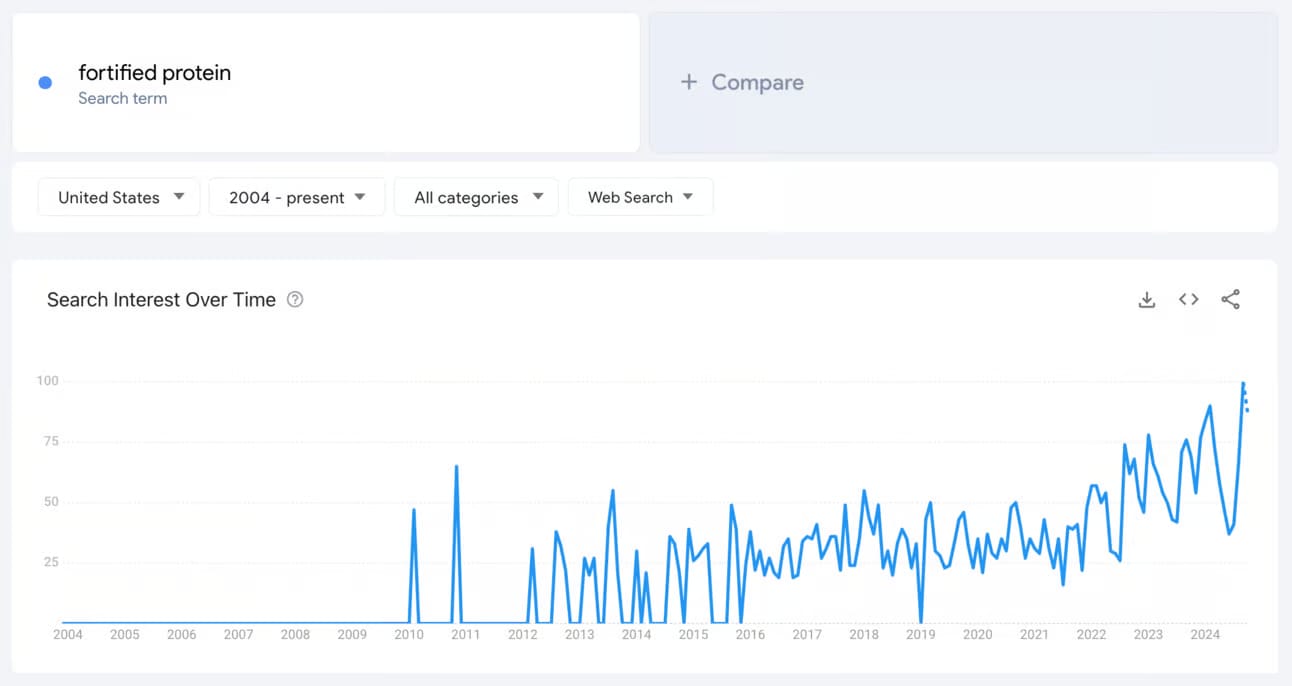
Exploding Idea: Fortified Protein
Gone are the days when protein meant boring shakes that tasted like cardboard. Now, it’s all about fun, delicious, and functional foods that make you feel good about your choices (and your abs).
Why Now?
Health is the new wealth: People want to eat better, not just look better. Protein is like the Swiss Army knife of nutrition—it helps you stay full, build muscle, and keep your metabolism humming.
Social media hype: Have you ever seen a fitness influencer post a stack of protein pancakes with syrup dripping down? Yeah, that’s why sales are booming. Everyone wants to eat like a fitfluencer.
Science-backed demand: Studies show protein helps with weight management and muscle health. It’s the MVP of macronutrients.
Here’s where the market is screaming for innovation:
Taste & Texture Revolution 👅 Remember that time your friend gave you a protein bar that felt like chewing on a rubber tire? Yeah, we've all been there. The market is screaming for snacks that don't make you question your life choices. Real talk: 89% of consumers say taste is their #1 priority, even in healthy snacks.
Convenience is King 👑 Fun fact: The average person spends 12 minutes deciding what snack to eat. That's like 3 TikTok scrolling sessions! The winning products will be the ones that fit in your car's cupholder and don't need a user manual to open.
Clean Label Chronicles 🏷️ Did you know 73% of consumers would rather eat something with ingredients they can pronounce? No more "what-the-heck-is-that" ingredients list! People want their protein snacks to sound like a grocery list, not a chemistry exam.
Price Tag Problems 💸 Current protein snacks cost more than my streaming subscriptions combined. The first brand to crack the affordable-but-still-tasty code will basically be printing money.
📈 The Market Opportunity
The global protein bar market is projected to hit $9 billion by 2027, growing at a steady pace.
Searches for “best-tasting protein bars” have increased by 40% in the past year.
Big players dominate the market, but niche, innovative brands are carving out loyal followings.
3 Business Models to Chew On
💡 Business Model #1: SnackFuel Co. – The Premium Bar 🍫
Concept: Launch a line of gourmet protein bars with indulgent flavors like salted caramel brownie, peanut butter cookie, and dark chocolate sea salt. Think high-protein meets luxury snack.
Target Market:
Busy professionals looking for on-the-go nutrition.
Fitness enthusiasts craving variety in their snacks.
Millennials and Gen Z who value premium, Instagrammable products.
Initial Investment: $7,000 - $10,000
Product development: $3,000
Packaging design: $1,500
Branding and website: $2,000
Marketing: $1,000-1,500
Marketing Strategy:
Content Marketing: Post drool-worthy photos, recipes, and customer testimonials.
Influencer Collaborations: Partner with fitness influencers and food bloggers.
Retail Strategy: Start direct-to-consumer, then expand to health stores and gyms.
Growth Potential:
Add seasonal flavors like pumpkin spice or holiday peppermint.
Expand to other high-protein snacks like cookies or granola bites.
Introduce a subscription model for loyal customers.
Challenges:
Balancing premium ingredients with competitive pricing.
Standing out in a crowded market.
Managing inventory and freshness.
💡 Business Model #2: BarBites Co. – The Snackable Revolution 🥜
Concept: Create bite-sized protein snacks in resealable pouches, perfect for snacking throughout the day.
Target Market:
Busy parents who want healthy snacks for their kids.
Office workers seeking mid-day energy boosts.
Fitness enthusiasts looking for pre- or post-workout snacks.
Initial Investment: $5,000 - $8,000
Product testing: $2,000
Packaging and branding: $2,000
Marketing: $1,000-1,500
Marketing Strategy:
Social Media: Share snack hacks, fitness tips, and funny snack-related memes.
Retail Partnerships: Sell through gyms, health food stores, and vending machines.
Community Building: Host live Q&A sessions with nutritionists or fitness experts.
Growth Potential:
Offer variety packs to encourage sampling.
Collaborate with fitness studios for co-branded products.
Expand to international markets with region-specific flavors.
Challenges:
Managing portion sizes while maintaining high protein content.
Educating customers about the benefits of snackable protein.
Navigating shipping challenges for small, lightweight products.
💡 Business Model #3: ProTreat Co. – The Dessert Lover’s Bar 🍪
Concept: Protein bars that look and taste like desserts—think cookies, brownies, and even cheesecake-inspired bars.
Target Market:
Sweet-toothed fitness enthusiasts.
Keto and low-carb dieters who miss desserts.
Anyone looking for a healthier way to satisfy cravings.
Initial Investment: $8,000 - $12,000
Custom product development: $4,000
Premium packaging: $2,000
Website and branding: $2,000
Marketing and launch: $2,000
Marketing Strategy:
Visual Marketing: High-quality photos and videos of the bars breaking apart to reveal gooey centers.
Limited Edition Drops: Seasonal dessert-inspired flavors like pumpkin pie or red velvet cake.
Exclusivity Tactics: VIP memberships for early access to new flavors.
Growth Potential:
Expand into protein-packed desserts like puddings or ice creams.
Collaborate with popular dessert brands for co-branded products.
Open pop-up shops in fitness expos or food festivals.
Challenges:
Ensuring dessert-like taste without excessive sugar.
Competing with traditional dessert brands.
Maintaining consistency in texture and flavor.
🎯 Key Takeaways for Success
Market Entry Strategy
Start with one standout product to test market demand (e.g., a hero flavor like Salted Caramel Brownie).
Use minimal viable inventory to reduce risk and gather feedback.
Focus on direct-to-consumer sales through an engaging website and social media.
Competitive Advantage
Highlight superior taste and texture compared to competitors.
Emphasize the use of clean, high-quality ingredients.
Build a strong brand story around indulgence and health.
Growth Timeline
Month 1-2: Market Testing
Launch your first product with a small batch.
Gather customer feedback through reviews and surveys.
Test different marketing channels to find what resonates most.
Month 3-4: Optimization
Refine product recipes and packaging based on feedback.
Scale up marketing efforts on the best-performing platforms.
Build an email list and start nurturing your audience.
Month 5-6: Expansion
Introduce new flavors or formats (e.g., snackable bites or dessert-inspired bars).
Expand to retail stores or partner with gyms and fitness studios.
Explore subscription models to secure recurring revenue.
Final Thoughts
That’s it for this week! Whether you’re dreaming of protein-packed donuts or plotting your own snack dungeon, remember this: trends like these are golden opportunities for those who act fast.
If you’re hungry for more ideas (pun intended), keep an eye on your inbox. Got a thought, a question, or just want to share your favorite protein snack? Hit reply—I’d love to hear from you!
Until next time,
Dragon ✌️
Meme of the week 😂
