- The Profit Insider
- Posts
- Case Study Week: 🌍 $3B Brand Chooses Earth Over Profit
Case Study Week: 🌍 $3B Brand Chooses Earth Over Profit
No influencer campaigns. No viral hacks. No aggressive sales. Just a rebellious strategy that made people beg to buy. Here’s how they did it. 🚀

Priyabrata Goswami
January 31, 2025

Intro:
Picture yourself sitting in a boardroom, telling your investors you want to give away your entire $3 billion company. Not for tax breaks. Not for PR. But because you genuinely believe the Earth needs it more than you do. Sounds like startup suicide, right?
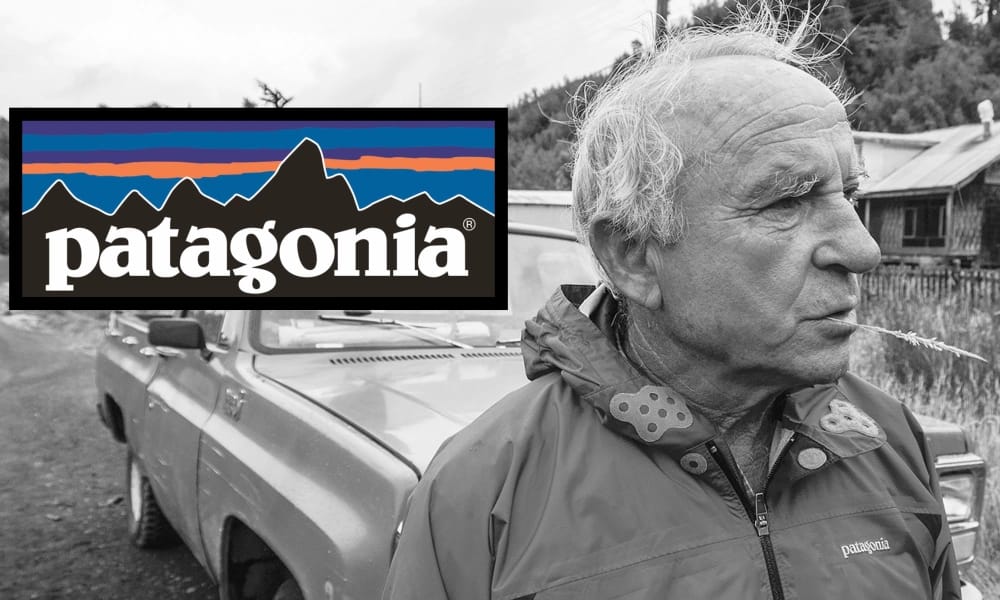
Well, that's exactly what Patagonia's founder Yvon Chouinard did in 2022. But here's the thing - this wasn't just another billionaire's random act of charity. It was the perfect culmination of a 50-year journey that completely rewrote the rules of business.
From Climbing Bum to Reluctant Billionaire Subtitle: How Living in Your Car Leads to Building a $3B Empire
Let's time-travel back to 1957. Eisenhower's president, Elvis is scandalizing parents nationwide, and a young Yvon Chouinard is literally living out of his car, surfing, climbing, and eating cat food to save money (seriously, this isn't a Twitter meme - he actually did this! 😅).
Here's what's wild - this dude was so broke he taught himself blacksmithing from a 15-cent library book (Gen Z'ers, imagine learning to code from a book instead of YouTube 💀). He started making climbing pitons (those metal spikes climbers hammer into rocks) because the ones available sucked, and he couldn't afford better ones. Talk about bootstrapping before it was cool!
He'd sell them for $1.50 each from his car trunk, using the money to fund his climbing trips. Zero marketing budget, zero business plan, zero thought about "scaling" or "market penetration." Just a guy making stuff he and his friends needed. Spoiler alert: This accidental approach to business would later become Patagonia's secret sauce.
When Breaking Every Business Rule Actually Works

By the early '70s, Chouinard Equipment had become the largest supplier of climbing gear in North America. But then came the plot twist - Yvon discovered his pitons were destroying the very mountains he loved. Instead of doing what most companies would (ignore the problem and keep counting cash), he made a decision that would've made any business consultant choke on their coffee: he killed his best-selling product line.
This wasn't just a one-time thing. It became a pattern:
1970s: Discovered their cotton suppliers were using harmful pesticides? Switched entirely to organic cotton when it wasn't cool (or cheap).
1980s: Realized traditional business growth was unsustainable? Limited their growth intentionally.
1990s: Found out some overseas factories had questionable practices? Published everything and fixed it publicly.
The fascinating part? Each time they did something that should've killed their business, they actually got stronger. It's like the corporate equivalent of that friend who does everything wrong but still ends up winning somehow. 😏
Strategy Deep Dive:
The "Anti-Marketing" Revolution Remember that time Apple told you NOT to buy an iPhone? Yeah, never happened. But Patagonia actually ran full-page ads saying "Don't Buy This Jacket" during Black Friday. The ad detailed the environmental costs of their best-selling fleece jacket and begged people to think twice before buying it. The result? Sales increased by 30%. This wasn't just reverse psychology - it was radical honesty hitting differently in a world of corporate BS.
The "Worn Wear" Program Most brands: "Buy new stuff!" Patagonia: "Let us fix your old stuff for free!" They literally created a mobile repair service that travels around in old trucks, fixing people's beaten-up Patagonia gear. It's like a food truck, but for fixing clothes. They even teach people how to repair their own gear. Who does that? 🤔
The "Tell-All" Supply Chain While other companies were playing hide-and-seek with their factory locations, Patagonia went full reality TV show - showing everything, including the mess-ups. They created an interactive map showing their entire supply chain, complete with problems they'd found and how they were fixing them. It's like having a LinkedIn profile where you list your job failures instead of your successes - except somehow it worked!
Growth Hacking
🚀 Building a Billion-Dollar Brand by Breaking The Internet's Rules
Let's talk about how Patagonia grew without doing any of that typical D2C growth hacking stuff. No funnel optimization. No viral TikTok dances. No influencer codes. Instead, they went full chaotic good, and somehow it worked better than any growth handbook strategy.
The "Don't Buy Our Stuff" Paradox Remember that friend who played hard to get and somehow became more attractive? Patagonia pulled that move at a corporate level. They actively told people to buy less, repair more, and think twice before purchasing. The result? People couldn't throw their money at them fast enough.
Their website even has a section called "Buy Less, Demand More" - it's like the anti-Amazon. While Jeff Bezos was building one-click ordering, Patagonia was adding more clicks to make sure you really wanted that fleece.
Content Strategy That Hits Different Instead of pushing product photos, they started funding environmental documentaries. We're talking full-length films about endangered rivers, disappearing bees, and indigenous land rights. Their Instagram looks more National Geographic than retail brand. The crazy part? Their most successful content barely shows their products.
Here's what they did instead:
Created a full-blown environmental journal called "The Cleanest Line"
Produced award-winning documentaries (that had nothing to do with selling clothes)
Built an entire food business (Patagonia Provisions) just to prove sustainable agriculture could work
Started a venture capital fund for environmental startups
The "Transparency as Clickbait" Hack While other brands were paying influencers for perfectly curated posts, Patagonia was out here posting about their failures. They published essays about finding child labor in their supply chain. They made videos about their struggles with sustainable materials. They turned their mistakes into content, and people ate it up.
The Takeaway
Building a Brand That's Actually Worth Something
Here's the thing about Patagonia's story - it's not just about selling outdoor gear or even about saving the planet. It's about building something that actually matters. Let's break down how you can steal their approach (in a good way):
The "Reality Show" Business Model Stop trying to be perfect. Document your journey, including the mess-ups. People trust brands that show their humanity. It's like having a finsta, but for your business.
The "Make It Mean Something" Strategy Find your version of environmentalism. What's the thing that makes you angry enough to build a business around fixing it? That's your golden ticket.
The "Slow Growth" Paradox Sometimes moving slower actually helps you go faster. Patagonia limited their growth intentionally, which made people want them more. It's like being the one person at the party who's not trying to network - suddenly everyone wants to talk to you.
The "Content That Matters" Approach Stop making content about your product. Make content about the change you want to see in the world. Your product should be the subplot, not the main character.

Closing the story:
In 2022, Chouinard transferred ownership of Patagonia (worth $3 billion) to a trust and nonprofit that will pump about $100 million a year into fighting climate change. The best part? He did it so quietly that most people didn't even notice until weeks later. No press conference. No tearful CEO video. Just a simple letter saying "Earth is now our only shareholder."
Here's your homework (don't worry, it's the fun kind): Look at your business or the business you want to build. What would it look like if you built it to last 100 years? What would change if your only shareholder was the thing you care most about fixing in the world?
Until next week, Dragon
P.S. Fun fact: Yvon Chouinard still doesn't own a computer and wrote his book "Let My People Go Surfing" by hand. And yeah, Patagonia employees actually get to go surfing when there's good waves. Maybe that's the real secret to their success? 🏄♂️
That's how you build a billion-dollar business while wearing the same fleece vest for 20 years. Take notes, Zuck. 😉
Meme of the week
