- The Profit Insider
- Posts
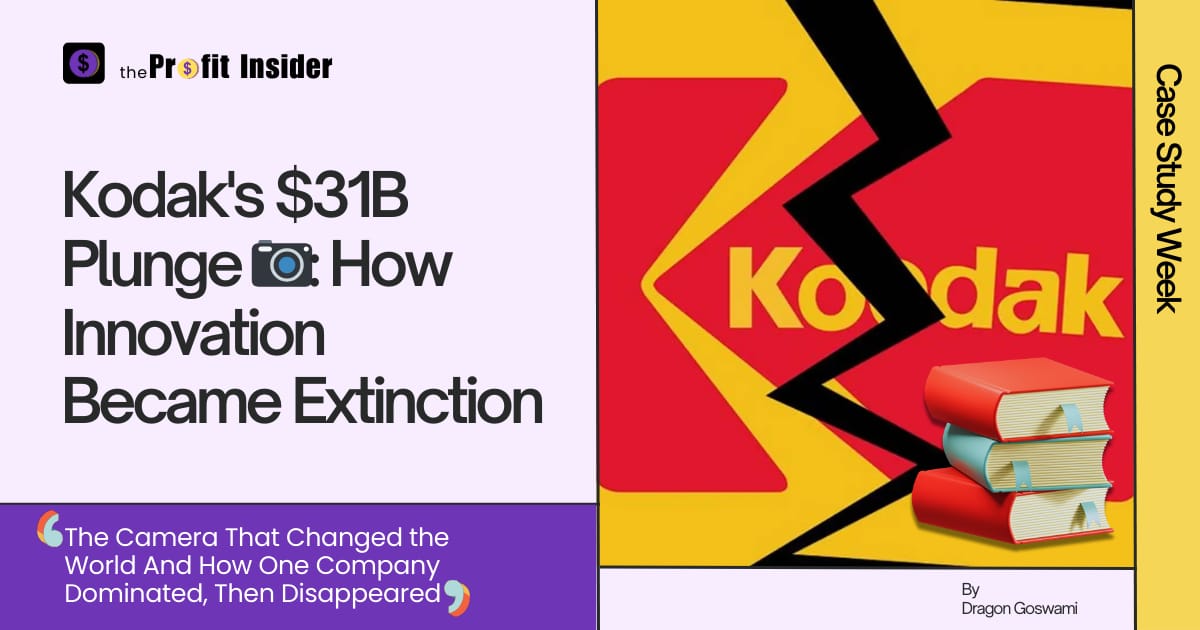
- Case Study Week: Kodak's $31B Plunge: How Innovation Became Extinction
Case Study Week: Kodak's $31B Plunge: How Innovation Became Extinction
The Camera That Changed the World And How One Company Dominated, Then Disappeared

Priyabrata Goswami
December 13, 2024
Hey there, Pal
Today, we’re diving into the rise and fall of Kodak—a company that once dominated the photography world but missed the digital revolution. Let’s uncover how a $30 billion giant fell from grace and what we can learn from their story.
The Camera That Changed the World

Picture this: Rochester, New York, 1880. A young visionary named George Eastman decides photography shouldn't be a complex, expensive hobby reserved for professionals. With radical innovation, he creates the first consumer-friendly camera - the Kodak No. 1. "You press the button, we do the rest" became more than a slogan; it was a promise that democratized photography forever.
From Market Leader to Cautionary Tale
Background
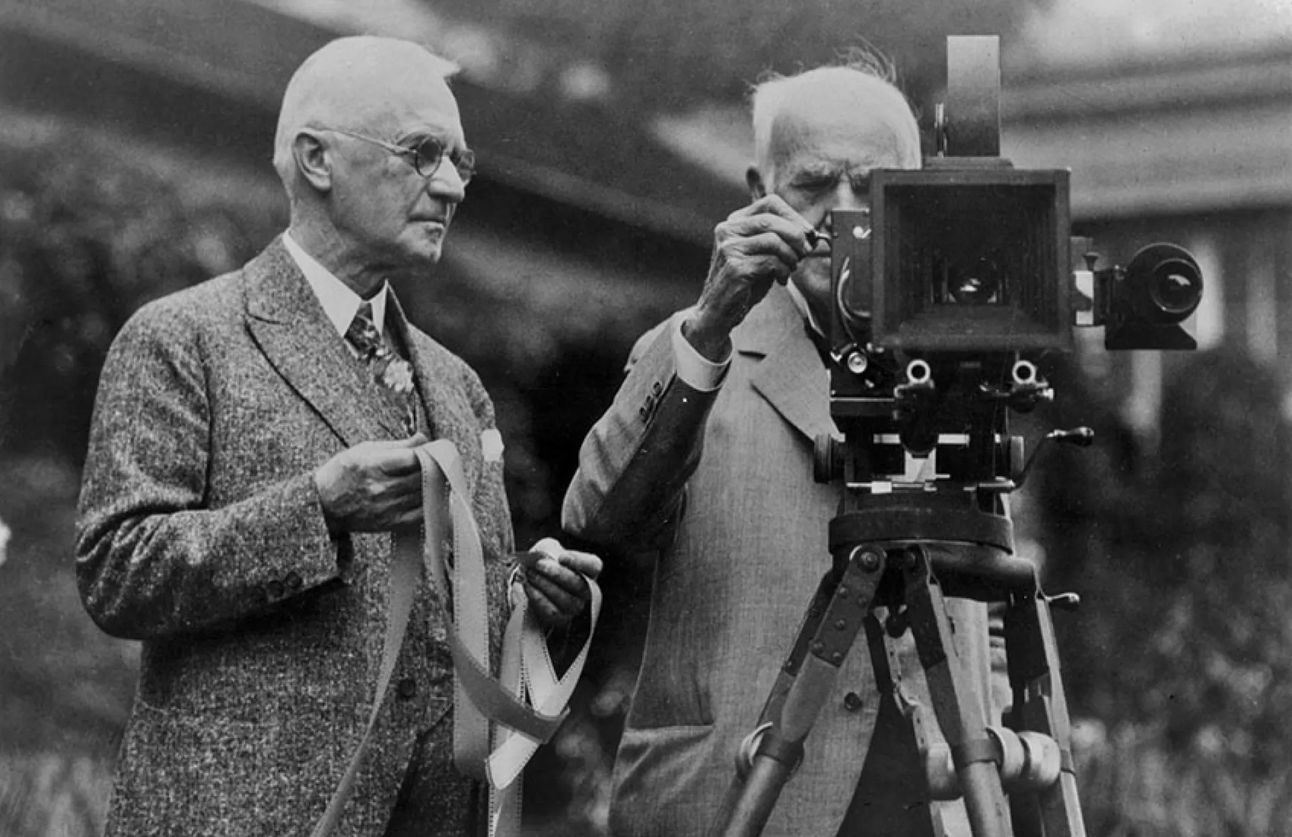
Kodak was founded in 1888 by George Eastman, a school dropout with a vision to make photography simpler and more affordable. His innovations—from roll film to portable cameras—transformed photography from a professional art to a household hobby. By the mid-20th century, Kodak was a global powerhouse with billions in annual revenue.
Challenge
Kodak faced several critical challenges in the late 20th century:
Complacency: Dominating the market for decades made Kodak overconfident and resistant to change.
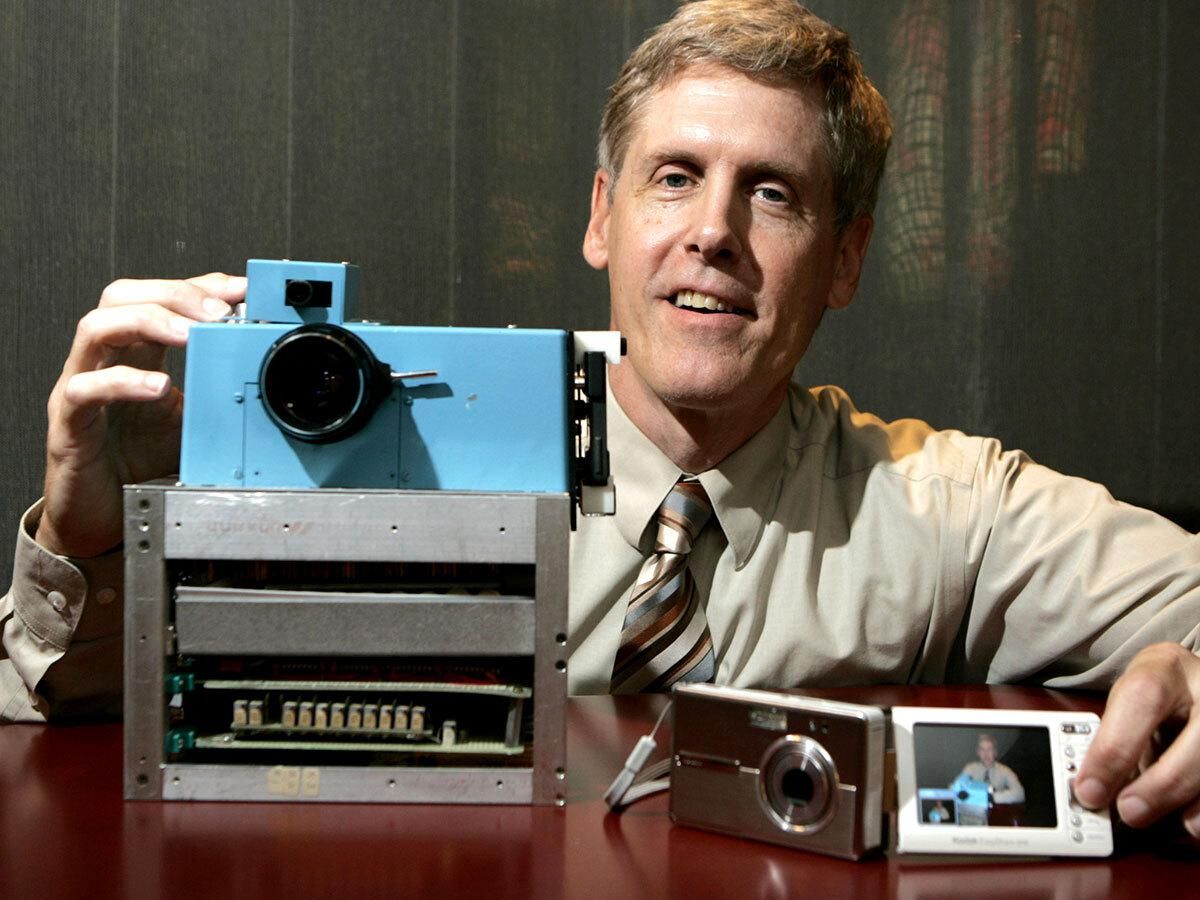
Digital Disruption: Despite inventing the digital camera, Kodak feared it would cannibalize their lucrative film business.
Internal Conflict: Executives couldn’t agree on whether to prioritize film or digital.
Market Missteps: Competitors like Sony and Canon capitalized on digital photography, leaving Kodak behind.
Strategy
Kodak’s initial strategy was to protect its film business at all costs. While they did invest in digital technologies, the company’s leadership hesitated to fully commit. Instead, they:
Focused on hybrid products like digital-photo printers.
Launched the EasyShare line of digital cameras, but too late to dominate the market.
Tried to pivot into printing and imaging services but failed to differentiate themselves.
Transformation
By 2012, Kodak’s revenue had plummeted, and the company filed for bankruptcy. They sold off patents and restructured to focus on commercial printing and packaging. While Kodak still exists today, it’s a shadow of its former self, with a market cap of less than $300 million—a far cry from its $30 billion heyday.
Growth Strategies That Could’ve Saved Kodak
Imagine if Kodak had embraced digital photography earlier. Here’s what they could’ve done:
Digital Ecosystem: Develop a platform like Instagram to integrate cameras with social sharing.
Subscription Models: Offer cloud storage for photos, monetizing their vast user base.
Partnerships: Collaborate with tech giants like Apple or Google to embed Kodak tech into smartphones.
The Takeaway
Lessons From Kodak’s Fall (Survival in the Age of Disruption)
Actionable Insights
Don’t Fear Cannibalization: If you don’t disrupt yourself, someone else will. Kodak’s fear of losing film revenue cost them the digital market.
Listen to Trends: Staying too attached to legacy products can blind you to emerging opportunities.
Commit to Change: Half-hearted efforts rarely succeed. Go all in or risk being left behind.
Innovate Beyond Products: Kodak could’ve built a digital ecosystem around their cameras, capturing value beyond hardware.
Conclusion
Kodak’s journey from market dominance to bankruptcy is a sobering reminder of what happens when companies cling too tightly to the past. Their story isn’t just about missing the digital wave; it’s about failing to adapt and innovate when the stakes were highest.
As we navigate our own challenges, Kodak’s tale teaches us to embrace change, take calculated risks, and always keep an eye on the horizon. Who knows? That "crazy" idea you’re hesitant to pursue might just be your next big breakthrough.
And hey, if you ever invent something groundbreaking, don’t let fear of change hold you back. Otherwise, you might end up as the next Kodak—and not in the good way. Dream big, adapt fast, and keep snapping those opportunities!
If you enjoyed this breakdown, hit reply and share your thoughts. Let’s keep the conversation going!
Meme of the week: